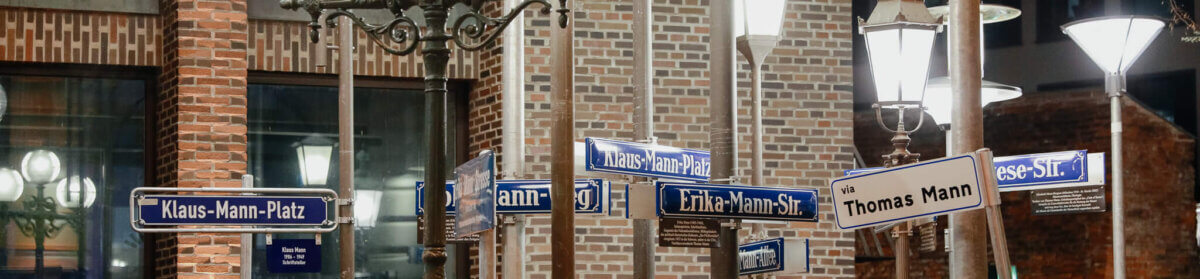
Rome and Palestrina: “In Search of Oneself”

In June 2019, I was in Rome and Palestrina to explore streets named after Thomas Mann in light of the Mann memori­al in Munich. Look­ing back, it was also inter­est­ing to see how nat­ur­al it was to travel and move around in pub­lic space in con­trast to the present day, 2020.

The road to Thomas Mann is quite long. The street named after him is on the out­skirts of Rome. It takes one and a half hours on the 916 bus—including half an hour’s wait—all the oth­er num­bers pass by sev­er­al times. When the bus finally arrives, it is full, with many com­muters head­ing from the city cen­ter to the outskirts.

The street is in the north­west­ern dis­trict of Quartac­cio on a ridge between flat val­leys. The pejor­at­ive suf­fix “-accio” prob­ably comes from the sur­round­ing damp, marshy low­lands. Cre­ated in the 1980s as a hope­ful and ima­gin­at­ive res­id­en­tial area—with post­mod­ern ref­er­ences to the social hous­ing of the 1920s and 1930s, gar­dens, arched pas­sage­ways, and piaz­zas (used as park­ing lots)—it soon ran into prob­lems, squat­ters, and drug deal­ing. Since the 2000s, the situ­ation has improved with the con­struc­tion of new apart­ment blocks and the influx of oth­er demo­graph­ic groups—but the area’s repu­ta­tion still sticks, and it crops up often in police reports.

After dis­em­bark­ing, you walk over weathered con­crete bor­ders of dry green spaces. On Via Flaubert, you notice a group of con­crete columns that form a square and are inten­ded to evoke an archae­olo­gic­al park. Long rows of ochre-painted apart­ment blocks. People sit­ting on plastic chairs in front of their houses—reminiscent of Naples. At the edge of the house rows are fields, fal­low land, reeds: the street becomes a dirt track, the city seems to be fray­ing; you can see down into a val­ley, in the dis­tance there are more apart­ment blocks.

When I ask about Via Thomas Mann, two girls describe it as “In fondo, dav­anti alla chiesa” (at the end, in front of the church). There is indeed a street sign with this name under a tall street­lamp in front of a church ded­ic­ated to St. Faustina (think Doc­tor Faus­tus). It is quite mod­ern with a wide over­hanging met­al roof on slender met­al pil­lars. Only the cross on the roof and the hint of a temple-like roof identi­fy it as a place of wor­ship. It is con­nec­ted to a sports cen­ter. The ASD Romana (sharks) bas­ket­ball team trains here—an aston­ish­ing com­bin­a­tion, but one that brings togeth­er two of the major social net­works: church and sports.

Thomas Mann, how­ever, was dis­tanced from both. He was social­ized as a Prot­est­ant but iron­ic in his approach to the reli­gi­os­ity of the church and its author­it­ies (see the begin­ning of Bud­den­brooks where Toni reads a chapter of the cat­ech­ism). Aston­ish­ingly, he began Bud­den­brooks in Italy (ini­tially with his broth­er Hein­rich) sur­roun­ded by Cath­oli­cism. The encounter is even more intense when you hear the church’s haunt­ing Ave bells ring on every hour to the tune of the Lourdes melody. At 6:00 pm, a car pulls up in front of the church and nuns dressed in white get out. Time for mass. This is Rome. The con­trasts could not be great­er. The upper middle-class writer, here, in a—to put it mildly—structurally weak neigh­bor­hood. The “north­ern lights” of Lübeck and the cos­mo­pol­it­an city to the south.

Yet, the coin­cid­ence goes bey­ond a street name that would only cov­er the can­on of great European writers: Thomas Mann actu­ally lived in Rome as a young man. Were the street name plan­ners aware of this? Peter de Mendels­sohn, who wrote the bio­graphy The Magi­cian, men­tions the addresses— Torre Argen­tina 34 and Via del Pan­theon 57, 1897—in the chapter “Wait­ing in Rome.” Eight months after all! Mann him­self also men­tions his stay sev­er­al times, includ­ing in his 1904 bio­graphy, but his former addresses are all in the heart of the old city, the centro storico, where tour­ists throng. In a place where everything is occu­pied by cen­tur­ies-old build­ings and names, it makes sense that the Romans did not name a street after the Ger­man writer there.

Here, on the peri­phery, how­ever, there was space and the hope that the names might cul­tur­ally enhance the con­struc­tion pro­ject and give it a pos­it­ive con­nota­tion as well as emphas­ize the uni­fy­ing European cul­ture. Thus, the great nine­teenth-cen­tury writers from France and the north­ern coun­tries are all con­cen­trated here. The ter­minus is named after Ander­sen, there is a Via Fra­telli Grimm, and Thomas Mann encoun­ters, not inap­pro­pri­ately, Flaubert, Sand and Zola. He is thus asso­ci­ated with the 19th rather than the 20th cen­tury, a tra­di­tion­al con­text that he him­self repeatedly emphasized.

It is notice­able that his “col­leagues” are usu­ally rep­res­en­ted only by their last names. This makes sense in terms of the sys­tem of city maps, as it avoids the dilemma of wheth­er to sort a street by a first name (as is gen­er­ally the case in street dir­ect­or­ies) or a sur­name. Thomas Mann, how­ever, is rep­res­en­ted by both his first and last names. This demon­strates that there were more than just one writer named Mann, there were sev­er­al, and that there is a need to des­ig­nate indi­vidu­als with­in the fam­ily by their first names. One cer­tainly thinks of his broth­er Hein­rich, who breaks with the restrict­ive use of the Mann name to only Thomas’ family.

Thomas was with Hein­rich in Rome and for two sum­mers in Palestrina, a small town about forty kilo­met­ers from Rome. There is a Via Thomas Mann there, too. And it is inter­est­ing to note that the broth­ers make a joint appear­ance there: Hein­rich is also com­mem­or­ated with a street name. That’s where we’re going next.

It takes about the same amount of time to get to Palestrina as it does to the Roman Quartac­cio, only in the oppos­ite dir­ec­tion to the east. It is an hour and a half by sub­way to the Anagn­ina stop, then by inter­city bus through Rome’s coun­tryside, which even­tu­ally merges into Cam­pagna, with stops in small vil­lages such as Zagarolo.

In Palestrina, Via Thomas Mann refers back to the Manns’ place of res­id­ence on this very street, mak­ing it the rare case where name and res­id­ence coin­cide. In 1895, Thomas and Hein­rich lived in a board­ing house here, in the sum­mer fresh­ness of the town, which is high­er and cool­er than Rome and from which you can look down onto the plain. The name of the street—at the top of a stair­case-like alley that leads up steeply from the piazza next to the church—is a mosa­ic that alludes to those found in the excav­a­tions of ancient Preneste. In this way, Thomas Mann is drawn into the his­tory and archae­ology of the place just like the Roman finds in the Museo Arche­olo­gi­co next door. Cables and pipes next to and below the sign estab­lish a con­nec­tion to the present.

The stone plaque fur­ther up is in the style of memori­al plaques found through­out Italy: large Roman cap­it­al let­ters carved in stone, traced in black. The inscrip­tion emphas­izes the length of the stay, places it in his­tor­ic­al con­text with a ref­er­ence to the end of the 19th cen­tury, and inter­prets its pur­pose psy­cho­lo­gic­ally with a cer­tain pathos: alla ricerca di se stessi (in search of one­self). There is also an inter­est­ing typo­graph­ic­al detail: the space between “Thomas” and “Mann” is quite large. The inten­tion was to ensure that the broth­ers’ first names, which appear on dif­fer­ent lines, are more closely con­nec­ted and clearly dis­tin­guish­able from the fam­ily name—so that one does not read “Hein­rich” and “Thomas Mann,” which would have made Thomas alone the rep­res­ent­at­ive of the Mann family.…

Around the corner there is an inform­a­tion board on a met­al stand, a stop on the town’s archae­olo­gic­al trail. That’s how you find most of the inform­a­tion in Palestrina. The pic­ture on it of Hein­rich Mann has sur­vived bet­ter than the one of Thomas.

Like­wise, the broth­ers aren’t equally depic­ted in terms of street names either: a few steps up the Via Thomas Mann you come across an elev­ated travertine plaque for Largo Hein­rich Mann. The term “Largo” is a bit exag­ger­ated; it is a small park with ter­races, benches, pine trees, and roses that is quite nice but lit­er­ally falls a little short of Via Thomas Mann. This con­trast also struck archi­tec­tur­al and cul­tur­al his­tor­i­an Erik Weger­hoff in 2005, when he rode his Vespa through Palestrina dur­ing his con­tem­por­ary reen­act­ment of the Grand Tour and just as the homage to the Mann broth­ers was being com­pleted. He notes iron­ic­ally: “The Via Thomas Mann was freshly scrubbed, the Largo Hein­rich Mann nat­ur­ally a little grubby.”

The Via Thomas Mann takes a turn at the point where the Largo Hein­rich Mann is loc­ated, fur­ther uphill, where anoth­er plaque shifts the bal­ance of the Mann broth­ers’ names even fur­ther, in favor of Thomas. Per­haps this is due to the fact that Thomas Mann expli­citly chose Palestrina as the place where Adri­an Leverkühn, the prot­ag­on­ist in his nov­el Doc­tor Faus­tus, resides, thereby secur­ing the town’s lit­er­ary fame. Adrian’s encounter with the dev­il takes place behind one of these doors, in a vaul­ted hall that is cold even in sum­mer, and in which he is prom­ised music­al geni­us and artist­ic creativity.

The Palestrini­ans have thanked him.
Back to the Beginning ‑ Berlin

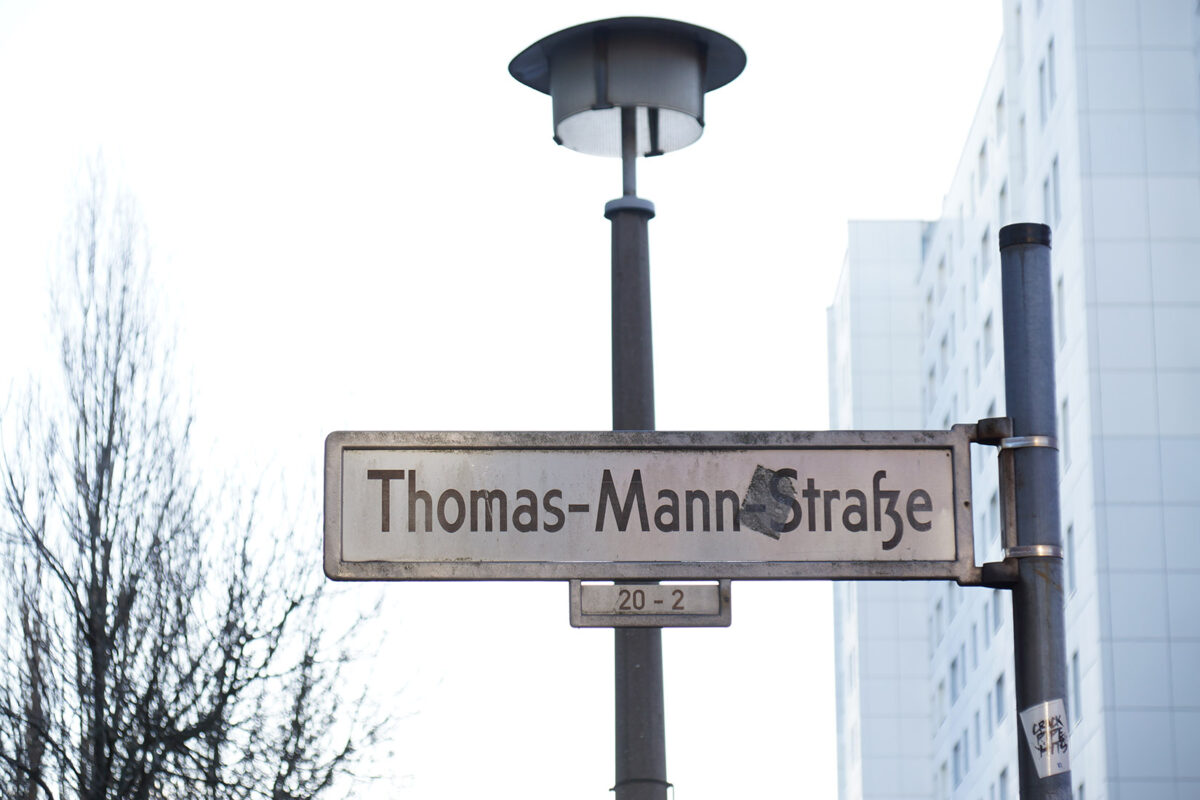
In June 2018, I cycle to Thomas-Mann-Straße in Ber­lin. In my diary, I’ll write after­wards: ”Idea for monu­ment takes shape: street signs.“ The vis­it is about gath­er­ing ideas, get­ting inspir­a­tion from the loc­a­tion. I had seen that there was a swim­ming pool named after Thomas Mann there, and I had many asso­ci­ations: swim­ming, waves, water, Death in Venice

The street is loc­ated in former East Ber­lin, in Pren­zlauer­berg, branch­ing off from Gre­if­swalder Straße. It was named after Thomas Mann in 1976, dur­ing the GDR era. This loc­a­tion can also be seen in terms of memory polit­ics in the oth­er street names, in Man­n’s neigh­bors: the name of the com­poser Hanns Eisler is affixed to the same post. Like Mann, he fled Nation­al Social­ism and emig­rated to the USA. The two knew each oth­er, met in exile, and had some sim­il­ar interests, e.g. in the Faust mater­i­al. In this respect, their spa­tial prox­im­ity makes sense. Bey­ond Gre­if­swalder Straße, the street con­tin­ues as Erich-Wein­ert-Straße, named after the writer who fled to the Soviet Uni­on dur­ing the Nazi regime and took on offi­cial roles in the GDR after his return.

Thomas Mann, whose polit­ic­al pos­i­tion was not entirely straight­for­ward, some­where between con­ser­vat­ism and social­ism, is thus placed in a con­text of left-wing, anti-fas­cist cul­tur­al fig­ures. In every city, as research and travel will show, this con­text looks dif­fer­ent, some­times it is inter­na­tion­al fel­low writers, such as Gust­ave Flaubert and George Sand in Rome, some­times it is the fam­ily circle, as in Munich with Hein­rich Mann. These con­nec­tions and neigh­bor­hoods are part of the cul­ture of remem­brance. Street signs and the names on them express appreciation—but also polit­ic­al pos­i­tions and the men­tal­ity of the time.

A street name stands apart from such con­scious arrange­ments in the every­day urb­an envir­on­ment, but is influ­enced and over­laid by it. This res­ults in bizarre rela­tion­ships; in Ber­lin, for example, the street name stands in the shad­ow of a huge red arrow with a phar­macy sign. One might asso­ci­ate lit­er­at­ure with a remedy.

Street signs are primar­ily func­tion­al signs, used for ori­ent­a­tion and to indic­ate an address. In Ber­lin, house num­bers are loc­ated below the name sign in order to divide a street into sec­tions. When you remove it from this func­tion­al con­text, isol­ate it, I later real­ize, its memory func­tion becomes clearer.

The typo­graph­ic design is also inter­est­ing: black on white, in con­trast to the white on blue vari­ant used in most cit­ies, such as Munich; a sans serif font, which con­veys aus­ter­ity and a cer­tain harsh­ness. The font is eleg­ant, with the sharp-angled ‘ß’. This is a New Objectiv­ity sans serif font from the 1920s, thus dur­ing Thomas Man­n’s lifetime …

The writ­ing, but also the mater­i­al­ity and con­di­tion of the signs, reveal their his­tor­icity. They weath­er, dust accu­mu­lates, black marks form, the sun bleaches the let­ter­ing, which has almost dis­ap­peared on one sign, and is barely legible, like inscrip­tions on old gravestones.

On the way back, I pass a cemetery in Mitte, the Old Gar­ris­on Cemetery, where years ago, bey­ond the cemetery wall, I saw a pile of street signs that had been dis­mantled for a con­struc­tion site. I remem­ber this now and look for pho­tos I had taken back then, in 2008.

And the idea ger­min­ates that an install­a­tion with street signs could be a memori­al to the Manns. But first I want to find oth­er streets named after the Manns in oth­er cities.

Opening Streets Names Lights – a Memorial for the Mann Family: December 9, 2025

Open­ing Tues­day, Dec. 9, 2025, Sal­vat­or­platz, Munich (open air)

18:00
Open­ing Remarks

Tanja Graf, Dir­ect­or Lit­er­at­urhaus München

Stadtrat Dav­id Süß, on behalf of the Lord May­or of the City of Munich

Marek Wiech­ers, Head of the Depart­ment of Arts and Cul­ture of the City of Munich

18:30
Open­ing of the memori­al, words from the artist

18:45
con­clu­sion with drinks

More inform­a­tion
publicartmuenchen.de

Con­tin­ue read­ing „Open­ing Streets Names Lights – a Memori­al for the Mann Fam­ily: Decem­ber 9, 2025“

“Deep is the well of the past.”- excavations

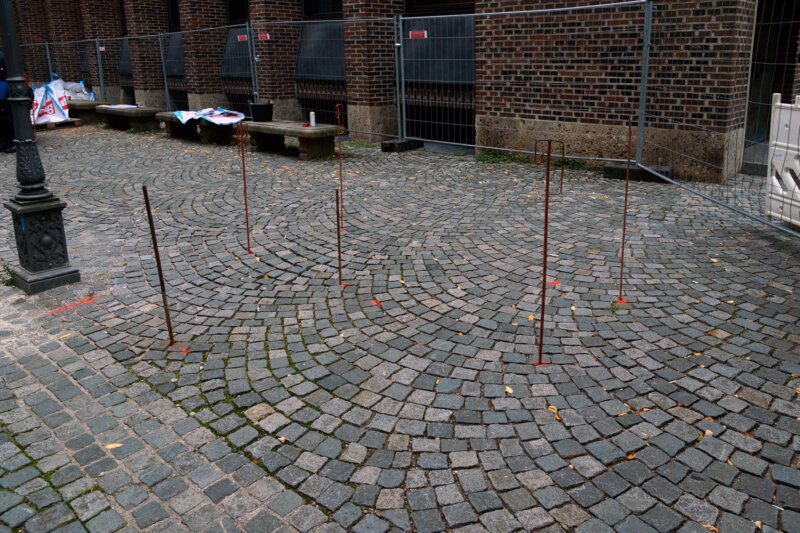
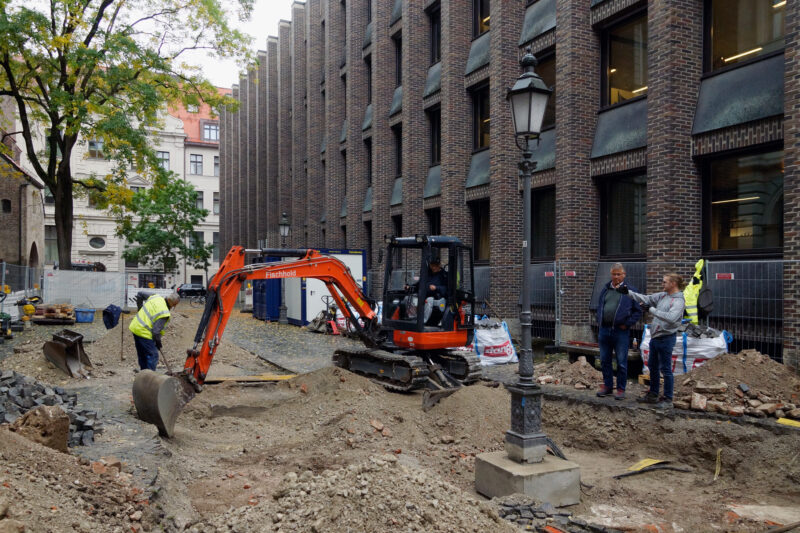
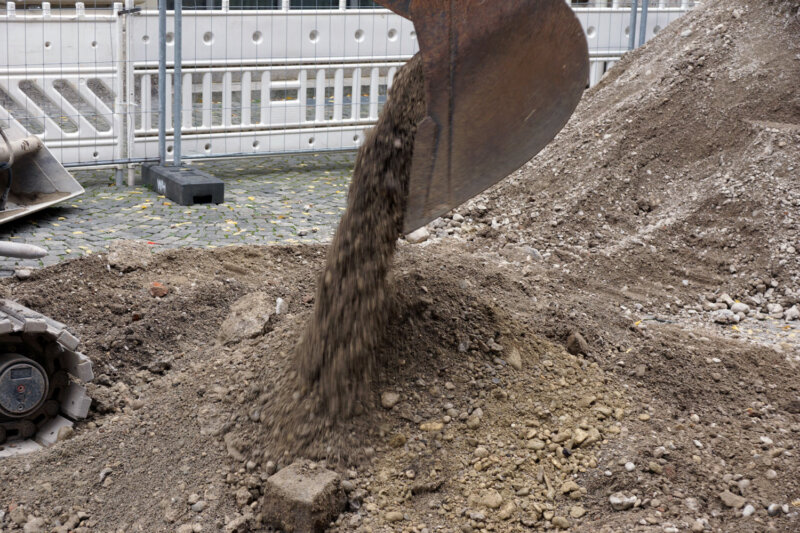
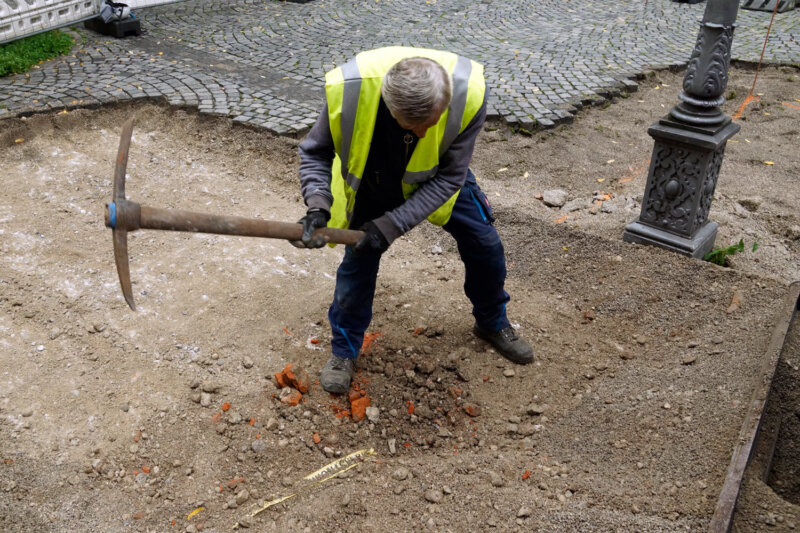
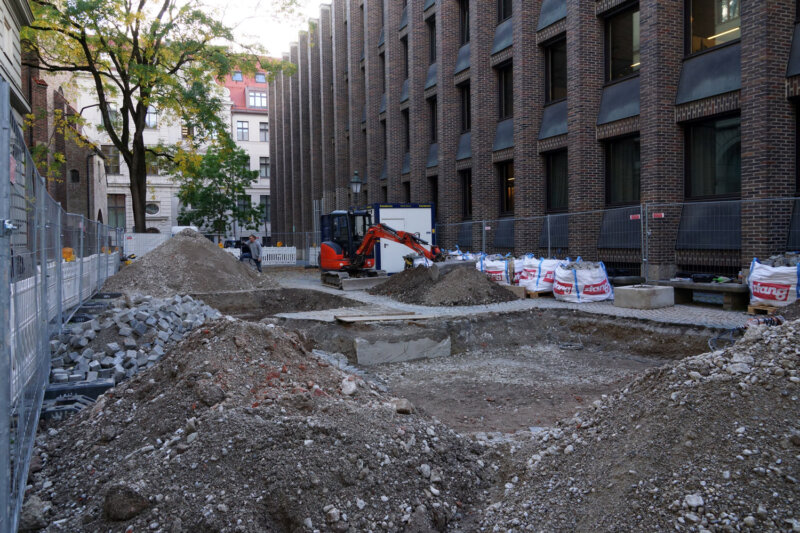
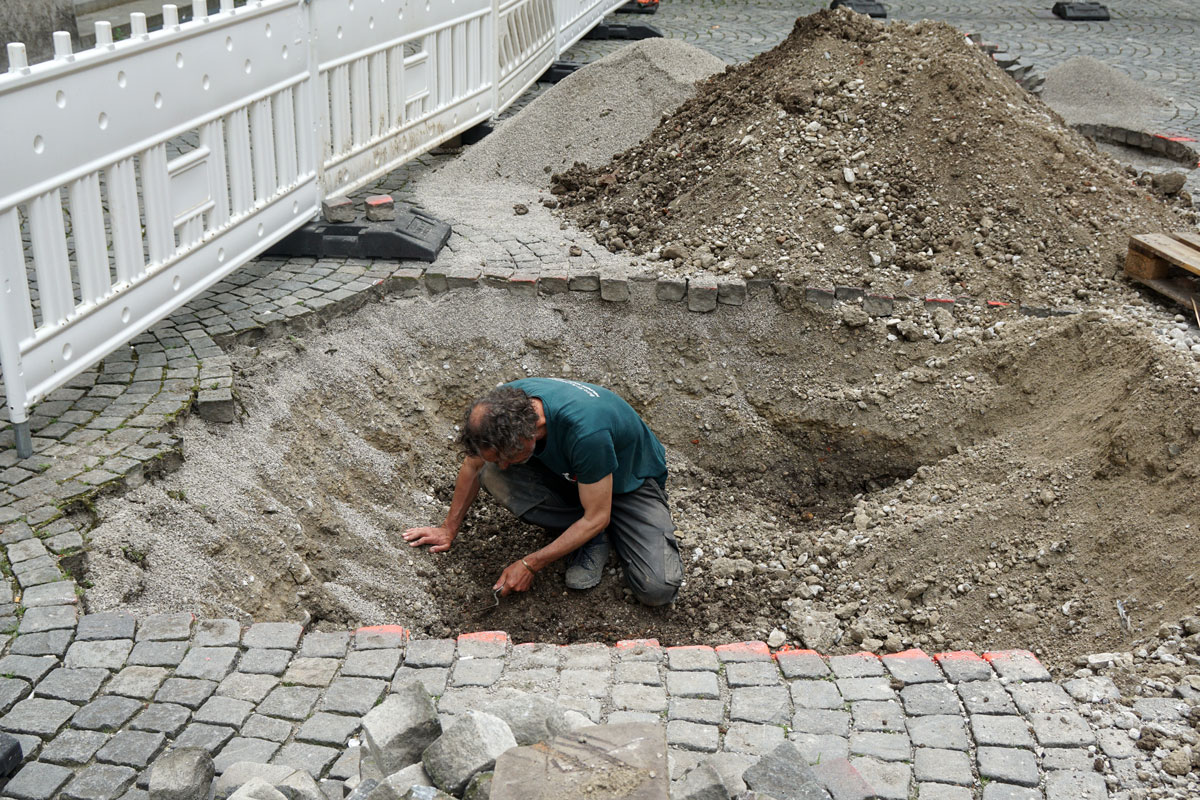
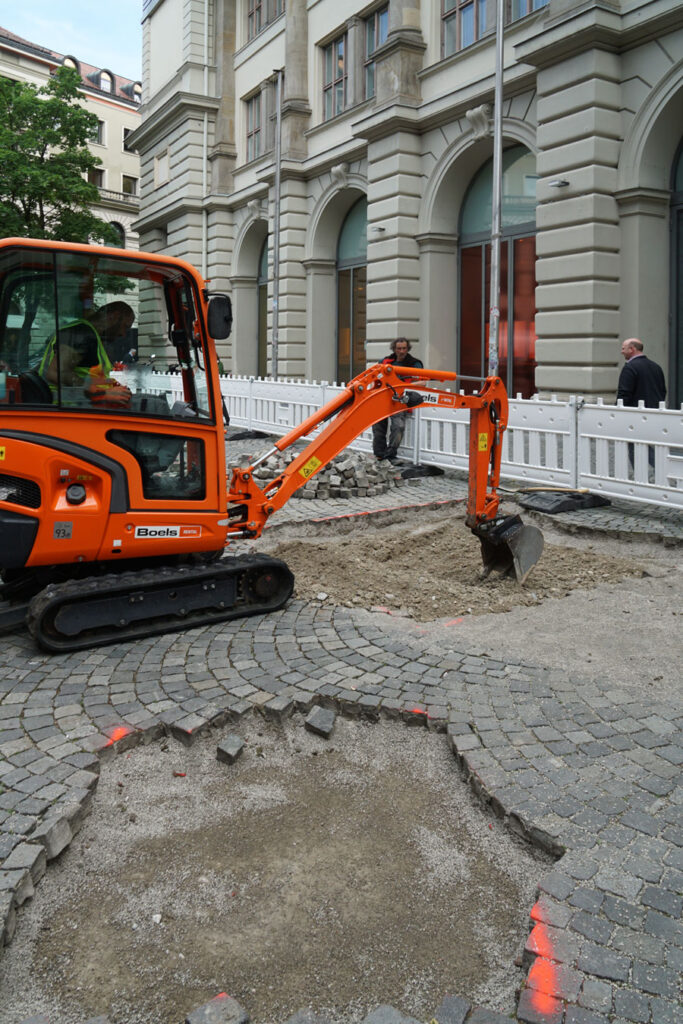
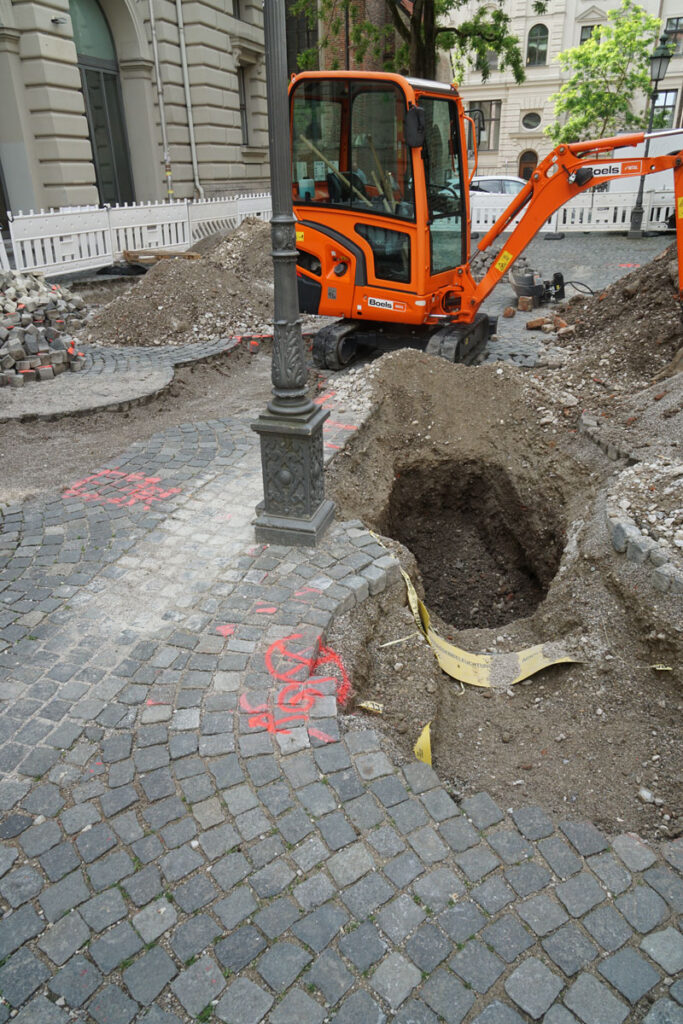
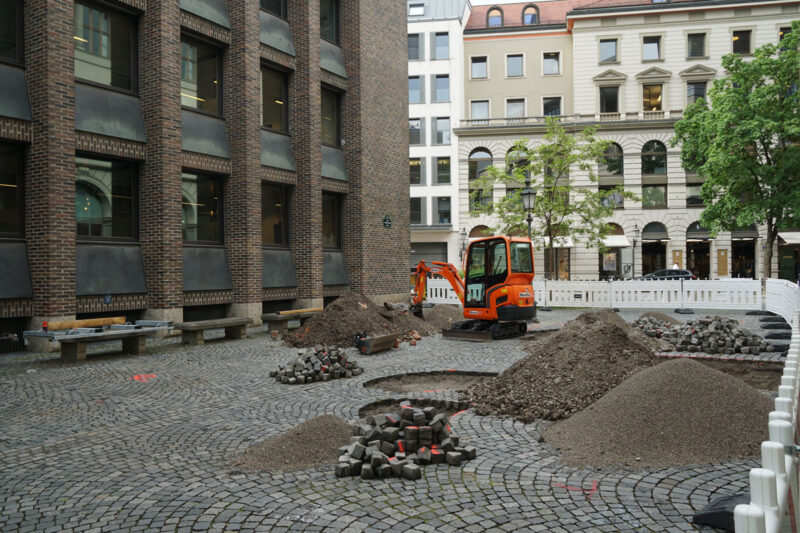
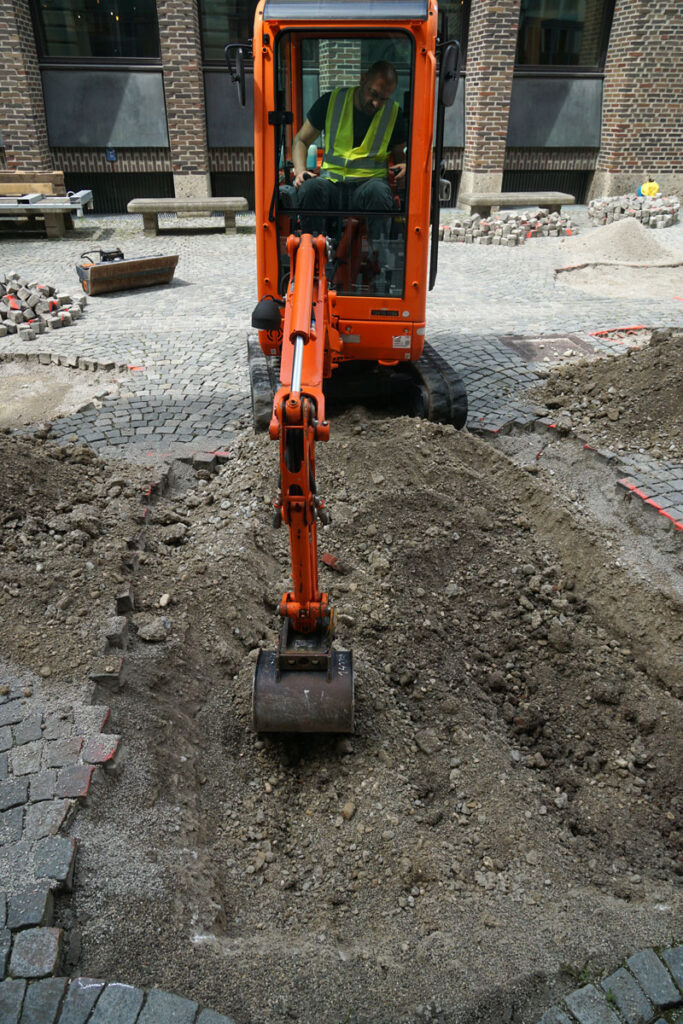
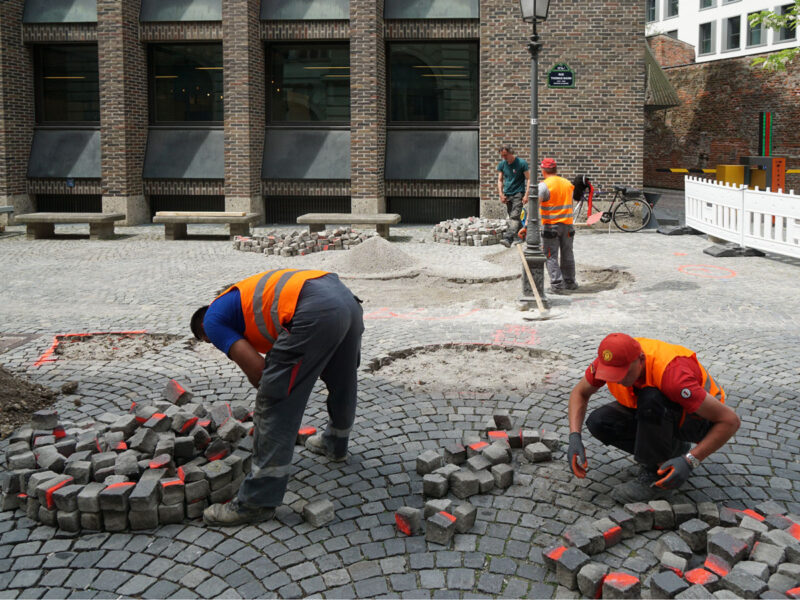
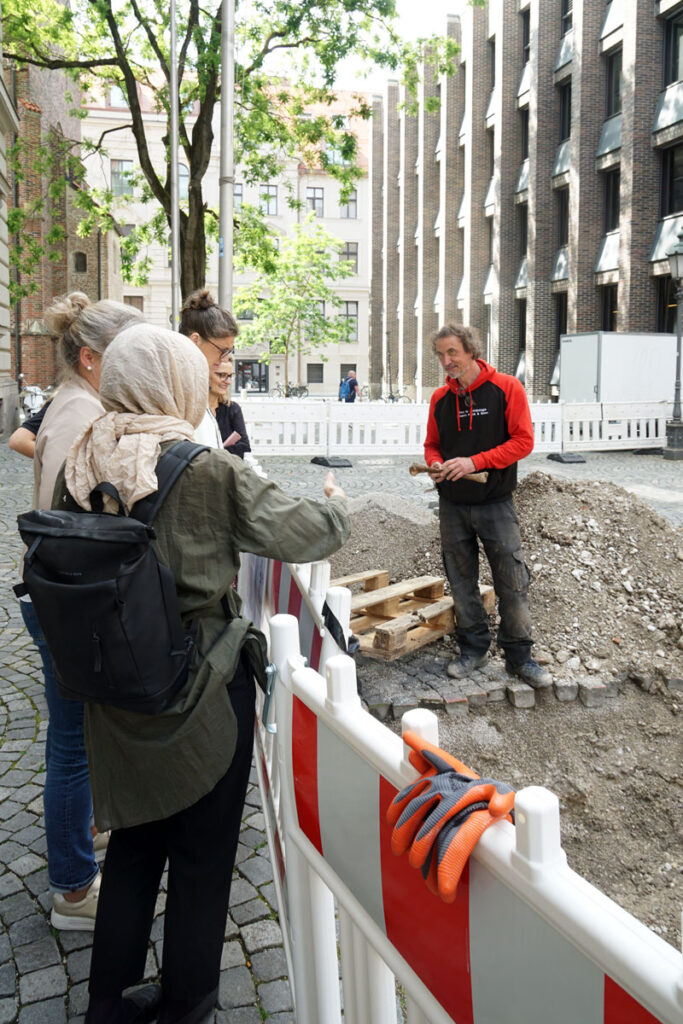
“Deep is the well of the past.” Thus begins Thomas Man­n’s nov­el “Joseph and His Broth­ers”. And indeed, for the monu­ment to the Mann fam­ily and its found­a­tions, excav­a­tions are being car­ried out, archae­olo­gic­al invest­ig­a­tions are tak­ing place, and soil samples are being taken. Con­struc­tion work has been under­way again on Sal­vat­or­platz since Septem­ber 22, 2025.

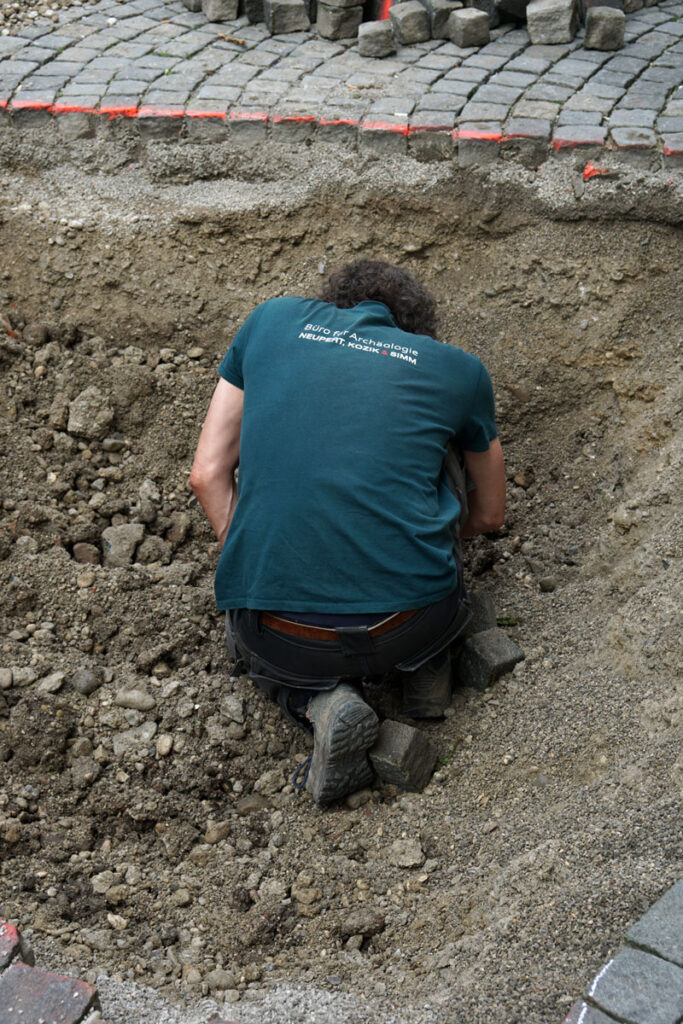
The plans are based on designs by Frosch Woll­mann Architek­tur. The archae­olo­gic­al work is once again being car­ried out with great expert­ise by the archae­ology firm Neu­pert, Kozik & Simm. The con­struc­tion com­pany K&M Ramaj has been com­mis­sioned to carry out the work. The masts, lights, and signs are being pre­pared by the Munich Build­ing Department.

Archaeology: Finds at Salvatorplatz

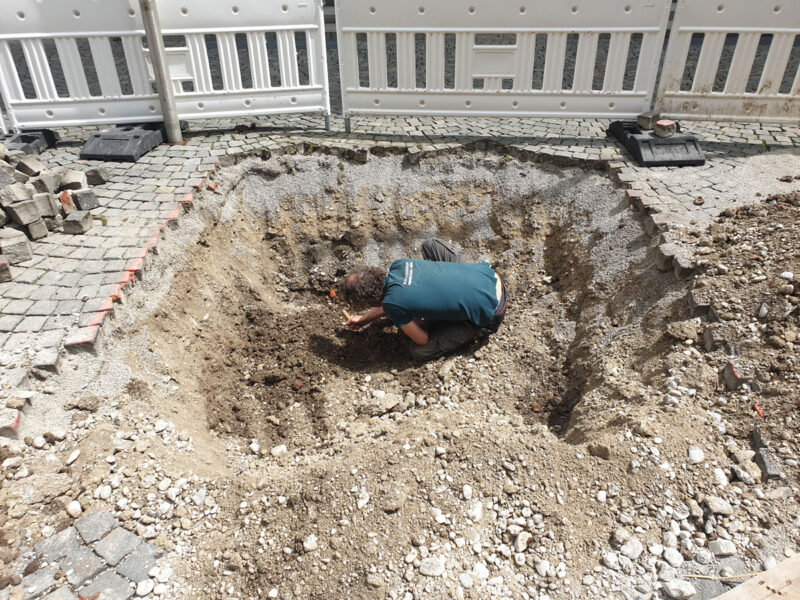
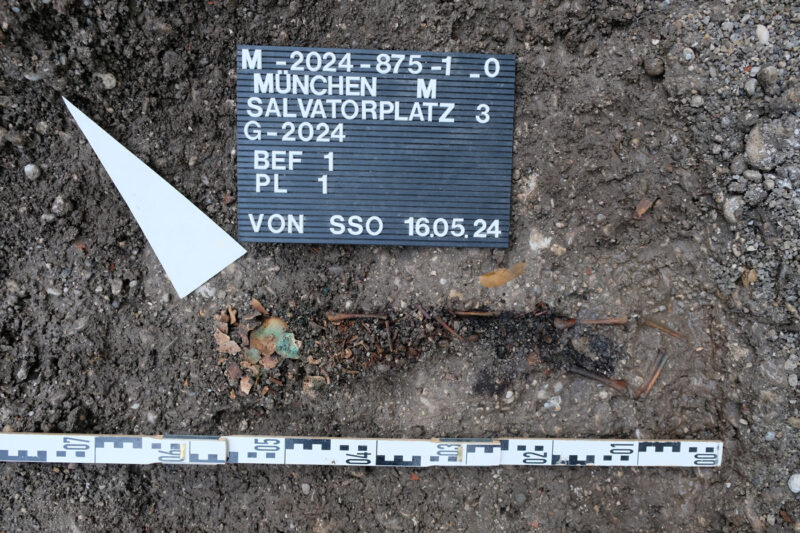
In May 2024, dur­ing the man­dat­ory archae­olo­gic­al mon­it­or­ing of the excav­a­tion at Sal­vat­or­platz for the erec­tion of the monu­ment to the Mann fam­ily, remains of buri­als were dis­covered in the cemetery of the nearby Sal­vat­or Church and the cemetery wall. Neu­pert, Kozik & Simm Archae­ology Office was com­mis­sioned to carry out the work and recovered a child’s skel­et­on from the Baroque peri­od. The cemetery was in use until around 1800.

This was actu­ally known, and the cemetery is also des­ig­nated as an archae­olo­gic­al monu­ment, but it was assumed that no finds were to be expec­ted due to the numer­ous con­struc­tion meas­ures on the square after 1945 and an air-raid shel­ter under the square. How­ever, dur­ing an inspec­tion of the base­ment beneath the Sal­vat­or­gar­age, it was dis­covered that it is loc­ated entirely beneath the build­ing, with only a nar­row pas­sage­way beneath the square.

Excav­at­ing the entire site down to the planned found­a­tion depth of up to 1.90 m in some places and hav­ing it archae­olo­gic­ally examined would have been very costly and time-con­sum­ing, so it was neces­sary to halt con­struc­tion and then dis­mantle the build­ing until the situ­ation had been clarified.

The finds, espe­cially at the start of con­struc­tion, were a hard blow and left me in con­flict: on the one hand, I am inter­ested in his­tory and archae­ology myself; view­ing, col­lect­ing, and doc­u­ment­ing finds are part of my artist­ic prac­tice. And the excav­a­tions also attrac­ted the interest of pass­ers-by and employ­ees of the Lit­er­at­urhaus. For a short time, Sal­vat­or­platz was trans­formed into an excav­a­tion site where the remains of past lives and former city dwell­ers became visible—an excit­ing pro­cess in itself. And it seems fit­ting that the Mann fam­ily should have a memori­al here, where traces of oth­er fam­il­ies’ lives are also vis­ible. On the oth­er hand, the finds pre­ven­ted the long-awaited com­ple­tion of the memori­al pro­ject, which has been drag­ging on for sev­er­al years.

The excav­a­tions set in motion a series of renewed coordin­a­tion pro­cesses with the monu­ment pro­tec­tion author­it­ies, includ­ing the Bav­ari­an State Office for Monu­ment Pre­ser­va­tion, where the pro­ject at Sal­vat­or­platz seemed to be called into ques­tion at times, not with regard to the archae­olo­gic­al monu­ment, but in prin­ciple; depart­ments that had appar­ently not been involved before got involved, the State Monu­ment Council—a body I had nev­er heard of before—was asked for its opin­ion and referred the mat­ter back to the monu­ment pre­ser­va­tion author­it­ies, who asked me to sub­mit a new pro­ject descrip­tion with visu­al­iz­a­tions that would more clearly show the effect on the “Munich after 1945” ensemble…

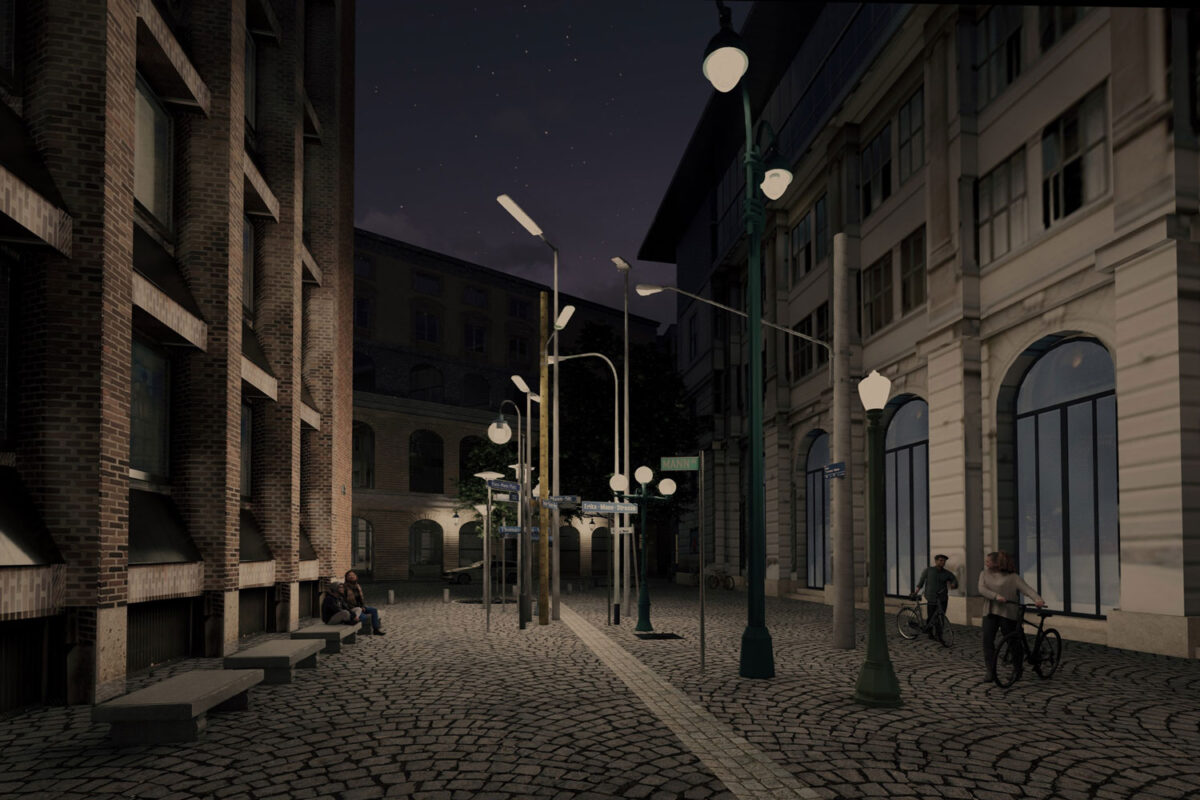
So the cent­ral loc­a­tion in the old town has its pit­falls. Nev­er­the­less, the loc­a­tion remains ideal for the monu­ment in terms of con­tent, in the imme­di­ate vicin­ity of the Lit­er­at­urhaus, with its con­nec­tion to lit­er­at­ure and in par­tic­u­lar its “pat­ron saint” Thomas Mann. I had also designed the monu­ment spe­cific­ally for this square, as a gath­er­ing of the signs scattered through­out the city in a cent­ral loc­a­tion, with the tower­ing, light-giv­ing luminar­ies.
At the begin­ning of 2025, the monu­ment pro­tec­tion author­it­ies signaled their fun­da­ment­al agree­ment with the monu­ment, which mani­fes­ted itself in a per­mit for fur­ther (archae­olo­gic­al) excav­a­tions. Now, in accord­ance with the recom­mend­a­tion, the found­a­tions for the lights must be planned to be flat­ter, and tech­nic­al solu­tions must be found for the changed start­ing pos­i­tion. The plan­ning is now con­tinu­ing! Frosch Archi­tects have been on board since May 2025.

I hope that the monu­ment pro­ject will be com­pleted, if not in the Zauber­berg year 2024, then in the Thomas Mann year 2025!

Decision on monument

On 10.4.2019, the plen­ary assembly of the Munich City Coun­cil decided to real­ize the design of Albert Coers. Coers’ concept, which has won an invited art com­pet­i­tion of the cul­tur­al depart­ment, bears the title „Straßen Namen Leucht­en“ [Streets names lights]. 

Pre­vi­ously, on 28 March 2019, the City Coun­cil’s Cul­ture Com­mit­tee had unan­im­ously decided to fol­low the jury’s pro­pos­al and award the con­tract for a „Memori­al to the Mann Fam­ily“ at Sal­vat­or­platz to the artist, who lives in Ber­lin and Munich . 

See art­icles, e.g. at Süd­deutsche Zei­tung
https://www.sueddeutsche.de/muenchen/salvatorplatz-ein-denkmal-fuer-die-familie-mann‑1.4387565